Deye BOS-A 7.68kWh High Voltage LiFePO4 Battery Module
Overview of the Deye BOS-A 7.68kWh Battery Module
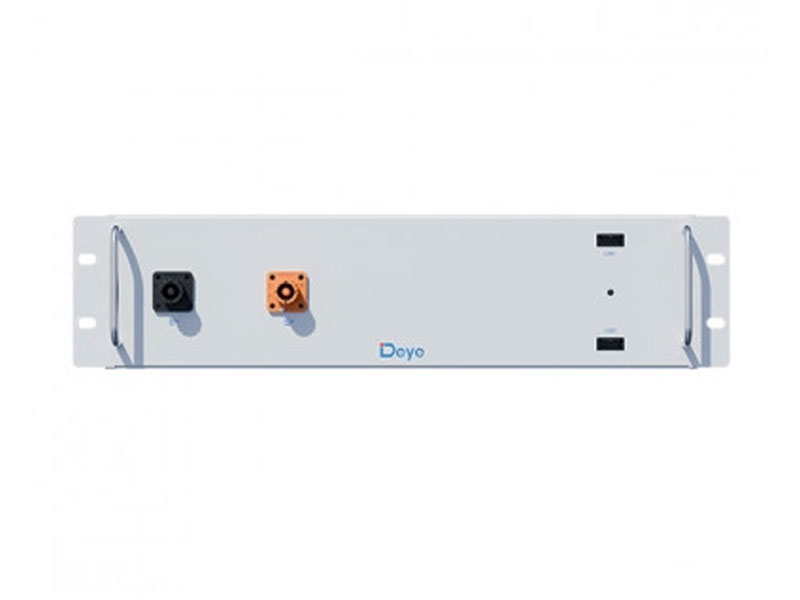
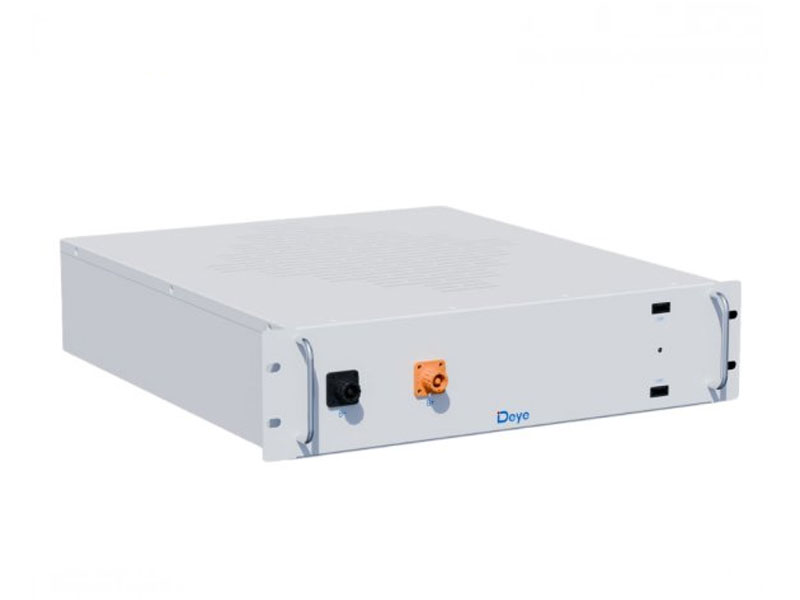
The Deye BOS-A 7.68kWh battery module is a high-voltage lithium iron phosphate (LiFePO4) energy storage component designed for modular rack-mounted battery systems. The Deye BOS-A battery module forms part of a scalable high-voltage battery bank used in residential, commercial, and industrial energy storage systems when paired with compatible high-voltage Deye inverters.
What the Deye BOS-A 7.68kWh Battery Module Is
The Deye BOS-A 7.68kWh battery is a single high-voltage battery module that stores DC energy and operates as part of a series-connected battery stack. When combined with additional BOS-A modules and a compatible battery control system, it forms a complete high-voltage battery system capable of supplying energy to large hybrid or grid-tied inverters.
What the Deye BOS-A Battery Module Is Not
The Deye BOS-A 7.68kWh battery module is not a standalone battery system and cannot operate on its own. It is not a low-voltage battery and must not be connected to 48V battery inverters. This module does not include an inverter, AC output, or MPPT functionality and cannot power loads directly.
High Voltage Battery System Architecture
The Deye BOS-A battery system operates as a high-voltage series-connected battery bank. Each Deye BOS-A 7.68kWh module has a nominal module voltage of 38.4V. Multiple modules are connected in series to increase system voltage, allowing the battery system to operate efficiently with high-voltage inverters while reducing current and cable losses.
Series Configuration and System Expansion
The Deye BOS-A system supports flexible expansion by stacking battery modules in series. Supported configurations include 7, 13, or 21 battery modules per system, resulting in increasing system voltages and usable energy capacity. Expansion is achieved by adding additional BOS-A modules into the rack-mounted enclosure.
Battery Chemistry and Internal Protection
The Deye BOS-A 7.68kWh battery module uses lithium iron phosphate (LiFePO4) cell chemistry, selected for thermal stability, safety, and long cycle life. An intelligent battery management system monitors voltage, temperature, and current, providing protection against overcharge, over-discharge, over-current, and thermal faults.
Charge and Discharge Capability
The Deye BOS-A high-voltage battery system is designed to support high charge and discharge currents suitable for commercial-scale hybrid inverters. Recommended charge and discharge current is 100A, with a maximum supported current of 160A depending on system configuration and operating conditions.
Communication and System Integration
The Deye BOS-A battery module communicates with compatible inverters and control units using CAN 2.0 communication. This allows accurate monitoring of state of charge, voltage balancing, alarm status, and coordinated system control across the entire battery stack.
Technical Specifications – Deye BOS-A 7.68kWh Battery Module
Battery chemistry: LiFePO4
Module nominal energy: 7.68kWh
Module nominal voltage: 38.4V
Module capacity: 200Ah
Recommended charge / discharge current: 100A
Maximum charge / discharge current: 160A
Recommended depth of discharge: 90%
Cycle life: ≥ 6000 cycles at 25°C, 0.5C, end-of-life 70%
System Voltage and Energy Examples
7 modules in series:
System nominal voltage: 268.8V
System energy: 53.76kWh
13 modules in series:
System nominal voltage: 499.2V
System energy: 99.84kWh
21 modules in series:
System nominal voltage: 806.4V
System energy: 161.28kWh
Physical Specifications
Module dimensions (W × D × H): 601.5 × 520 × 135 mm
Module weight: approximately 70 kg
Installation type: Rack-mounted
Ingress protection rating: IP20
Environmental Operating Limits
Charge temperature range: 0°C to 55°C
Discharge temperature range: -20°C to 55°C
Storage temperature range: 0°C to 35°C
Maximum operating altitude: 3000 m
Operating humidity range: 5% to 85% RH
Warranty and Compliance
The Deye BOS-A 7.68kWh battery module is supplied with a 10-year warranty. The system is certified to CE, IEC 62619, IEC 62040, UN38.3, and VDE 2510 standards.
Typical Applications for the Deye BOS-A Battery System
Commercial and industrial energy storage systems
Large residential hybrid solar installations
Grid-tied systems with battery backup
Scalable high-voltage battery banks for Deye hybrid inverters
FAQ
Frequently Asked Questions
Is the Deye BOS-A 7.68kWh a complete battery system?
No. The Deye BOS-A 7.68kWh unit is a single high voltage battery module. Multiple modules must be connected in series together with the correct rack and control components to form a complete operational battery system.
Can the Deye BOS-A 7.68kWh battery operate on its own?
No. This battery module cannot operate independently. It requires additional BOS-A modules connected in series and must be paired with a compatible high-voltage inverter and battery management architecture.
Is this a low-voltage or high-voltage battery?
The Deye BOS-A 7.68kWh is a high-voltage battery module. It operates at a module voltage of 38.4V and is designed to be connected in series to create a high-voltage battery system. It must not be connected to 48V low-voltage inverters.
How many Deye BOS-A battery modules are required?
The Deye BOS-A system supports series configurations of 7, 13, or 21 battery modules. The required number depends on the inverter voltage range and the total energy capacity required for the application.
What is the total system energy when multiple modules are used?
Seven modules provide a total energy capacity of 53.76kWh. Thirteen modules provide 99.84kWh, and twenty-one modules provide 161.28kWh of total system energy before depth-of-discharge considerations.
What type of inverter is compatible with the Deye BOS-A system?
The Deye BOS-A battery system is designed for use with compatible Deye high-voltage hybrid inverters that support CAN communication and high-voltage battery inputs.
Can the Deye BOS-A battery be expanded later?
Yes. The Deye BOS-A system is modular and can be expanded by adding additional battery modules in series, provided the final configuration remains within supported system voltage limits.
What battery chemistry is used in the Deye BOS-A module?
The Deye BOS-A 7.68kWh battery uses lithium iron phosphate (LiFePO4) chemistry, chosen for its thermal stability, safety, and long cycle life in high-voltage energy storage applications.
What is the expected cycle life of the Deye BOS-A battery?
The battery system is rated for at least 6000 charge and discharge cycles at 25°C and a 0.5C charge and discharge rate, with end-of-life defined at 70% remaining capacity.
What is the recommended depth of discharge for the Deye BOS-A system?
The recommended depth of discharge for the Deye BOS-A battery system is 90%, allowing high usable energy while maintaining long-term battery health.
How does the battery communicate with the inverter?
The Deye BOS-A battery system uses CAN 2.0 communication to exchange data with the inverter, including state of charge, voltage, temperature, and system alarms.
Is the Deye BOS-A battery suitable for residential use?
Yes. While commonly used in commercial and industrial systems, the Deye BOS-A battery system is also suitable for large residential installations that require high energy storage capacity and high-voltage architecture.
Where is the Deye BOS-A battery typically installed?
The battery modules are designed for rack-mounted installation in dedicated plant rooms or electrical enclosures, not for wall-mounted residential indoor living spaces.
Does the Deye BOS-A battery include an inverter or MPPT?
No. The Deye BOS-A battery module does not include an inverter, MPPT charge controller, or AC output. These functions are provided by the compatible high-voltage inverter.
What certifications does the Deye BOS-A battery comply with?
The Deye BOS-A battery system complies with CE, IEC 62619, IEC 62040, UN38.3, and VDE 2510 standards for lithium battery safety and performance.





Reviews
There are no reviews yet.